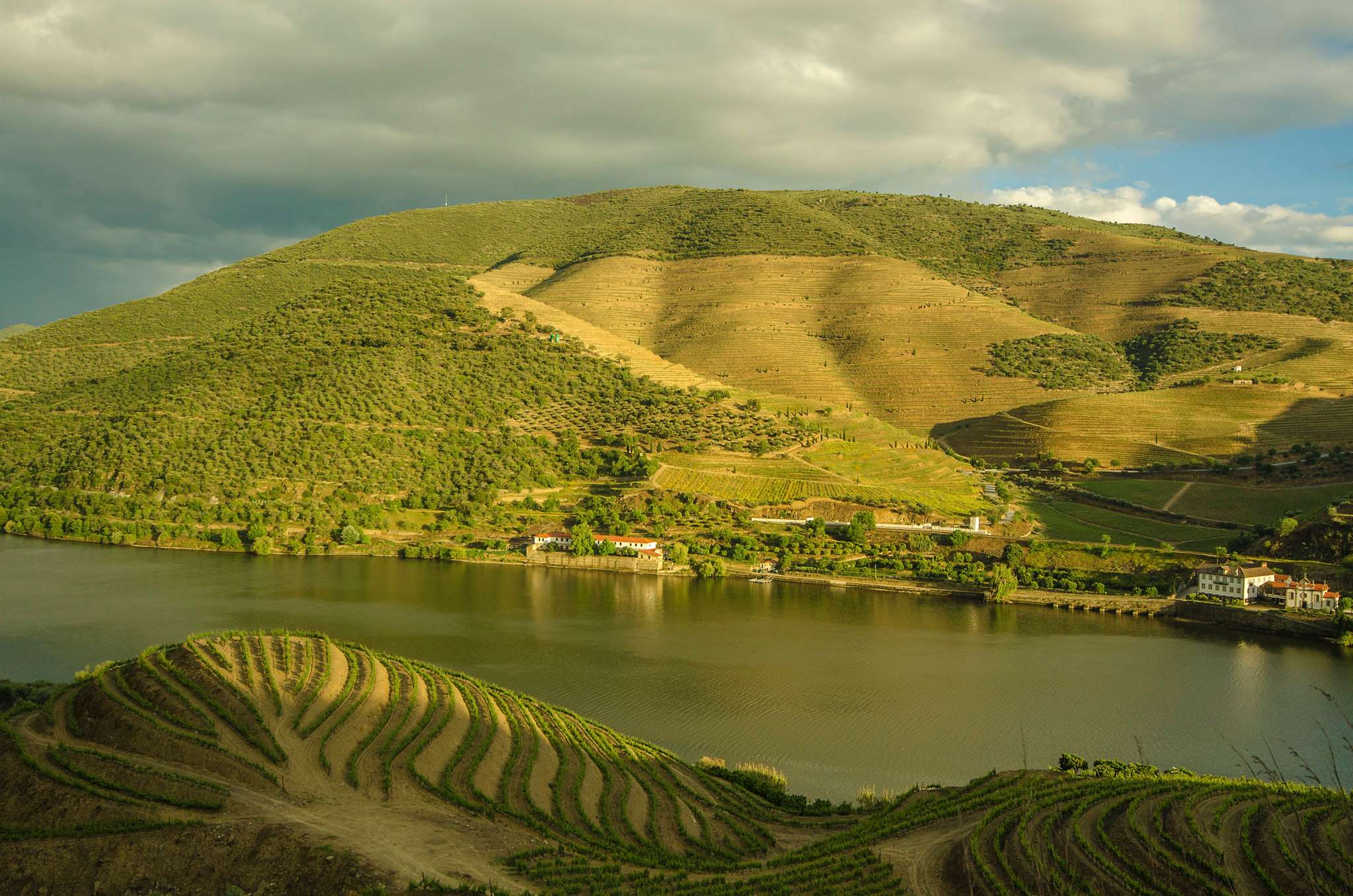


Attractions to Visit in Douro Valley

Located in northeastern Portugal, this nature reserve is a UNESCO World Heritage site that is known for its prehistoric rock art. This open-air museum features over 1,000 rock carvings dating back to the Paleolithic era. The carvings here depict animals, humans, and abstract shapes and offer a fascinating glimpse into early human expression. This is one of the topmost places to visit in Duoro Valley and you can enjoy a guided tour to explore these ancient artworks.

The Douro Museum is housed in a restored 18th-century manor in Peso da Régua. The museum showcases the history, traditions, and craftsmanship behind the world-famous Port wine. You can find interactive displays, historical artefacts, and multimedia presentations that immerse visitors in the region's winemaking history. Its permanent exhibition, "Douro: Matter & Spirit," highlights the area's unique cultural and natural landscape and is one of the most loved places to visit in Duoro Valley.

Located along the Portuguese-Spanish border, this protected area is known for its dramatic landscapes and rich biodiversity. The park features deep river valleys, steep cliffs, and unique flora and fauna, including endangered species like the Bonelli's eagle. Visitors can explore hiking trails, enjoy birdwatching, and experience traditional villages. The Douro River running through the park is perfect for boating and is one of the must-visit places to visit in Duoro Valley for nature enthusiast.

This historic vineyard is famous for producing top-quality Port wine. It is owned by the Symington family and offers a rich heritage of winemaking dating back to the 19th century. You can explore the vineyards, tour the cellars, and taste a selection of fine Ports. The estate's scenic location along the Douro River also provides stunning views, making it one of the memorable places to visit in Duoro Valley for wine lovers and nature enthusiasts. The estate is open daily from 10:30 AM to 7:00 PM during the peak season (April to October).

Museu de Lamego, located in a former episcopal palace in Lamego, Portugal, is known for its rich collection of sacred art, tapestries, and archaeological artefacts. The museum's highlights include Flemish tapestries from the 16th century, Baroque paintings, and religious sculptures. It also features azulejos (traditional Portuguese tiles) and goldsmithing works. The museum is one of the historical places to visit in Duoro Valley and lets you dive deep into the region's religious and cultural heritage.

The Monastery of Santa Maria de Salzedas, located in the village of Salzedas, Portugal, is a significant Cistercian abbey founded in the 12th century. This impressive structure features a blend of Gothic and Baroque architecture, with highlights including the church, cloisters, and a richly decorated sacristy. The monastery, which played a crucial role in regional religious life, is now a national monument, offering visitors a glimpse into Portugal's medieval monastic history and architectural heritage.

This is one of the oldest Christian temples in the Iberian Peninsula which dates back to the 7th century. This small chapel has Visigothic origins and is one of the historical places to visit in Duoro Valley. It features a unique blend of architectural styles, including Romanesque and Gothic elements added in later periods. Inside, you'll find ancient sarcophagi and religious artefacts, reflecting its rich historical significance. The chapel's serene setting and deep historical roots make it a fascinating site for history enthusiasts.
FAQ’s
What are the best Places To Visit in Duoro Valley?
The best places to visit in Douro Valley include Peso da Régua, the region’s wine capital where you can enjoy stunning vineyard views and wine-tasting experiences. Pinhão in the valley is known for its scenic train station and river cruises along the Douro River. São Leonardo da Galafura and the Douro Museum are other top sites to visit in Duoro Valley.
Why is Koramaz Valley so famous?
Koramaz Valley is famous for its stunning geological formations, ancient cave dwellings, and rich cultural heritage. The valley mesmerised visitors with its well-preserved rock-cut churches and monasteries. These sites also provide a fascinating glimpse into the region's Byzantine past and is one of the best places to visit in Douro Valley.
What is the best time to visit the Goreme Open Air Museum?
The best time to visit the Göreme Open Air Museum is during spring (April to June) and fall (September to October). During these months, daytime temperatures range from 15°C to 25°C, with low chances of rain hence, these months are ideal for exploring the rock-cut churches and frescoes. The museum is open from 8:00 AM to 7:00 PM during this season. Visit the museum early in the mornings or late in the evenings to avoid crowds and enjoy a peaceful experience.
How long does it take to explore Agricultural Cave Spaces?
Exploring Agricultural Cave Spaces typically takes about 1 to 2 hours. The duration depends on the depth of your interest in the exhibits, which often include ancient agricultural tools, storage methods, and unique architectural features. Guided tours may take a little longer as these tours offer more detailed insights into the historical significance of the cave spaces.
Why is Stuttgart so famous?
Stuttgart is famous for being the birthplace of the automotive industry, home to Mercedes-Benz and Porsche. It’s also known for its museums like the Mercedes-Benz Museum and Staatsgalerie Stuttgart, the Stuttgart Ballet, scenic location amidst vineyards and close proximity to the Black Forest.